
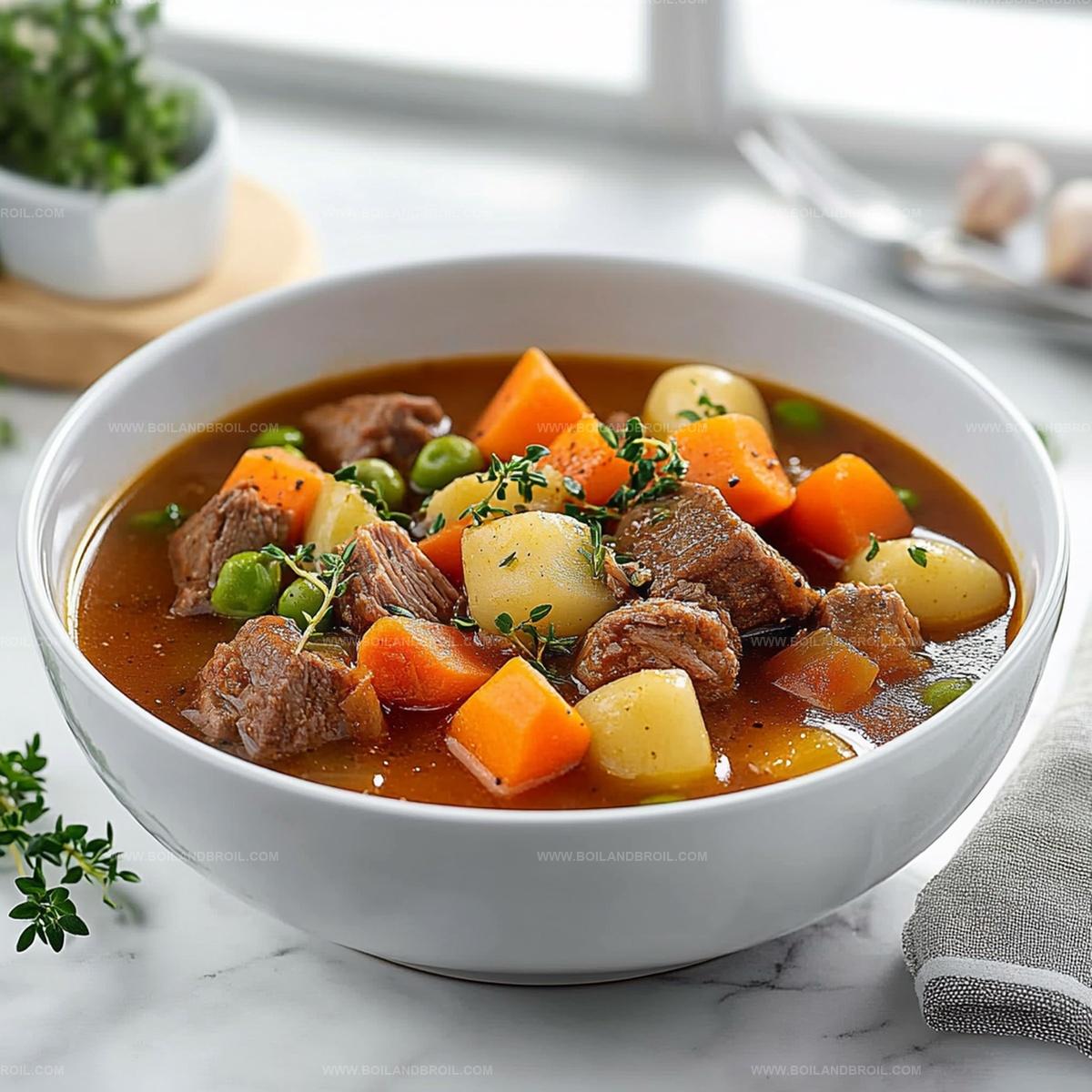
No-Peek Beef Stew Recipe: Cozy, Tender Goodness in One Pot

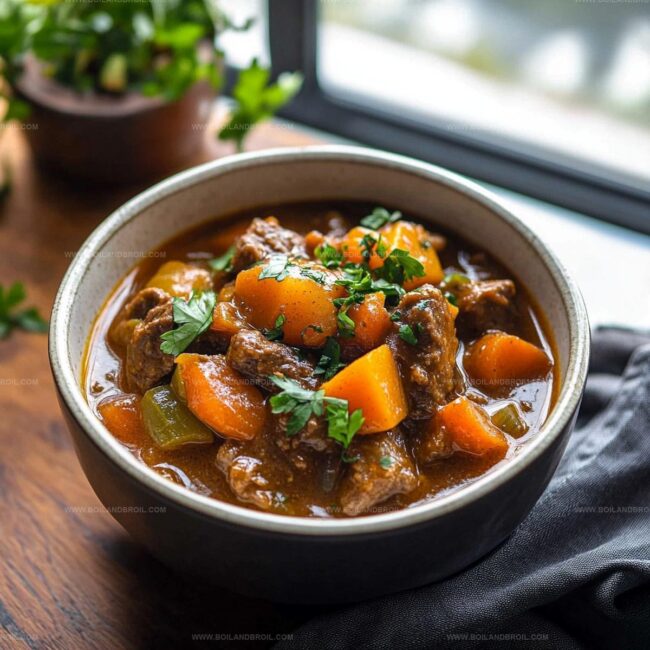
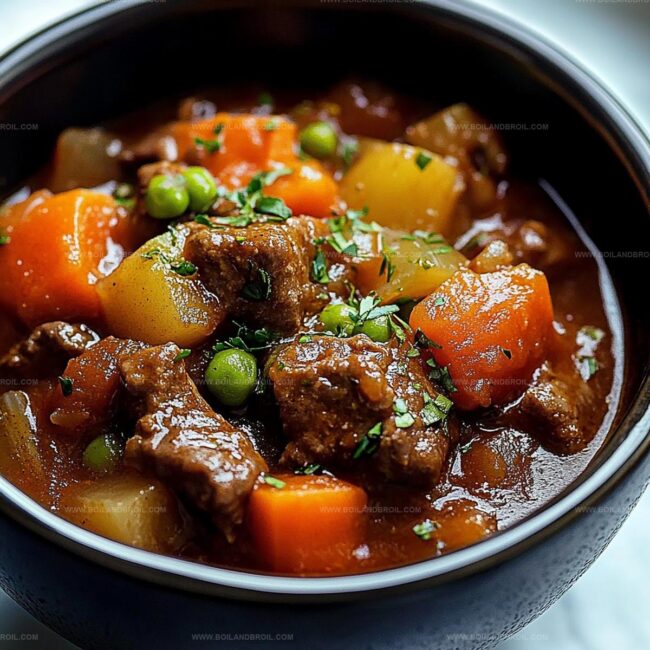
Tucking into a hearty no-peek beef stew can transport you straight to a cozy kitchen on a chilly afternoon.
Aromas of tender meat and rich broth drift through the house, promising pure comfort.
Slow-cooking transforms simple ingredients into a magical meal that feels like a warm embrace.
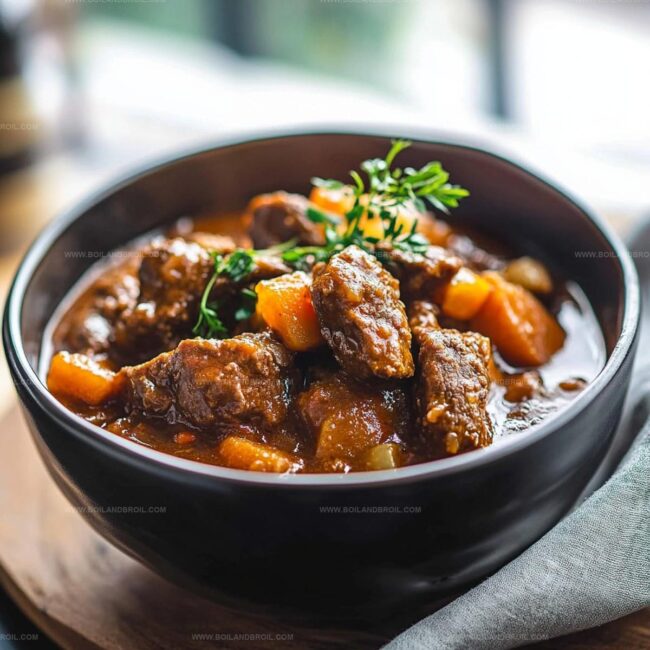
Our recipe guarantees melt-in-your-mouth beef with minimal effort and maximum flavor.
Every spoonful tells a story of patience and culinary magic.
Home cooks love how this dish requires just moments of preparation before the oven does all the work.
Let’s uncover the secret to this effortless, soul-warming masterpiece that’ll have everyone asking for seconds.
Why No-Peek Beef Stew Works Every Time
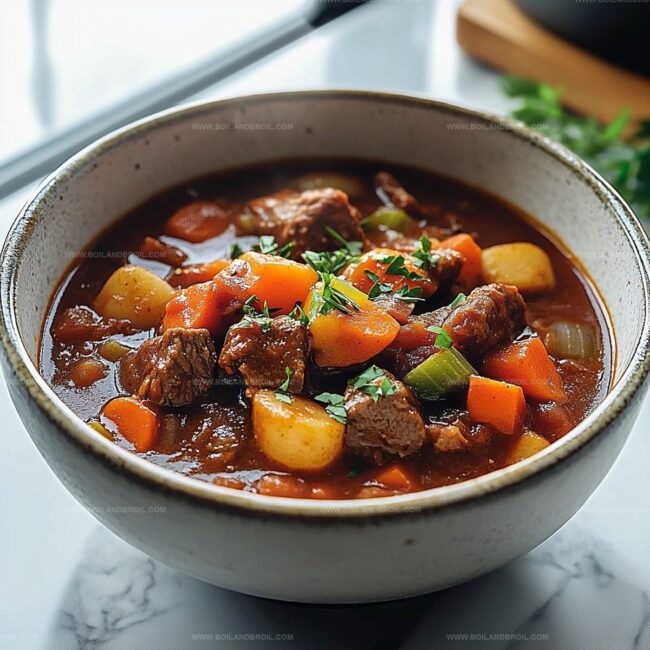
Ingredients in No-Peek Beef Stew
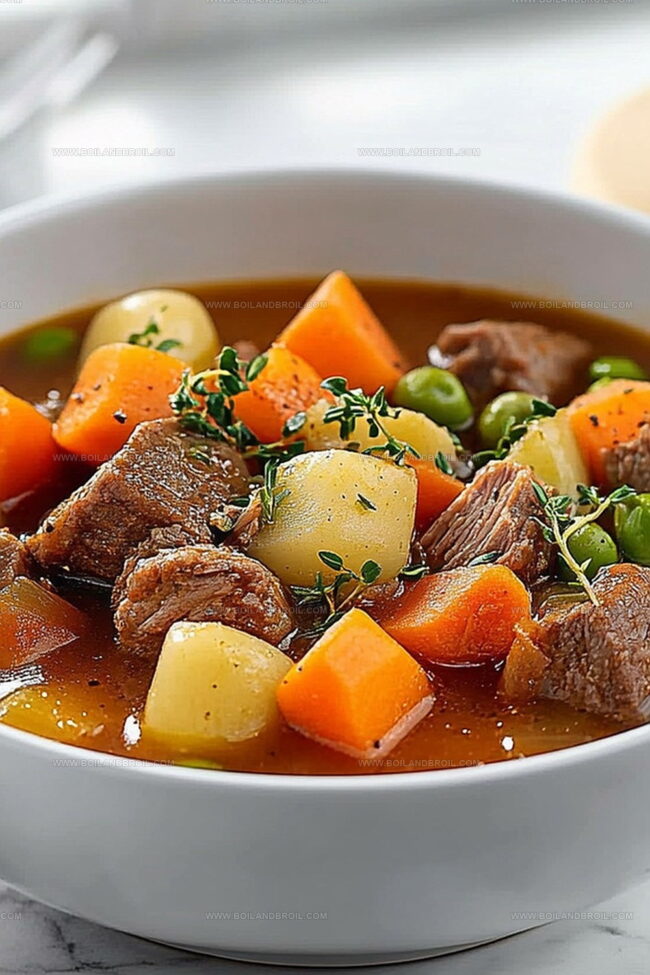
How to Make No-Peek Beef Stew Easily
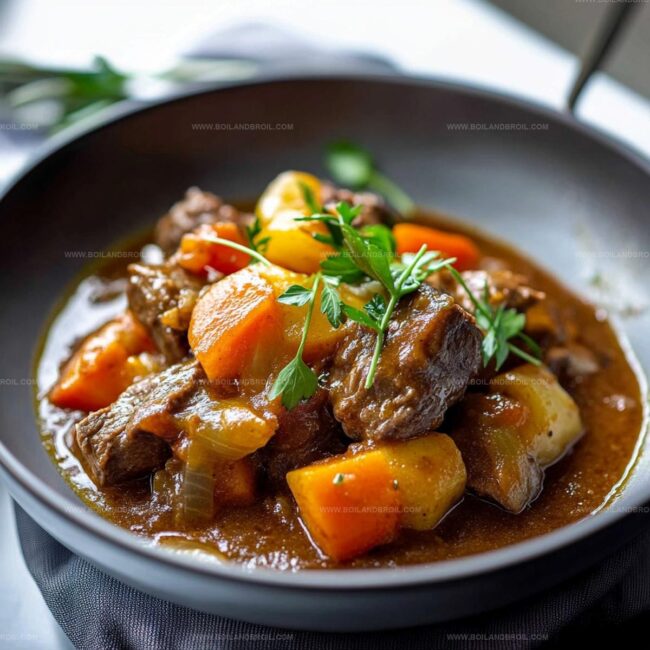
Step 1: Sear Succulent Beef Chunks
Heat olive oil in a large Dutch oven over medium-high heat.
Add beef pieces in small batches, ensuring they have plenty of room to brown beautifully.
Cook each batch for about 5 minutes, turning to create a rich golden crust on all sides.
Transfer browned beef to a separate plate.
Step 2: Awaken Aromatic Vegetables
In the same pot, toss in:Saute the vegetables for 2-3 minutes until they release their fragrant oils and become slightly translucent.
Use a splash of broth to loosen any delicious browned bits stuck to the bottom of the pot.
Step 3: Build Flavor Foundation
Return the seared beef to the pot and add:Stir everything together, creating a harmonious blend of ingredients.
Step 4: Slow Magic Transformation
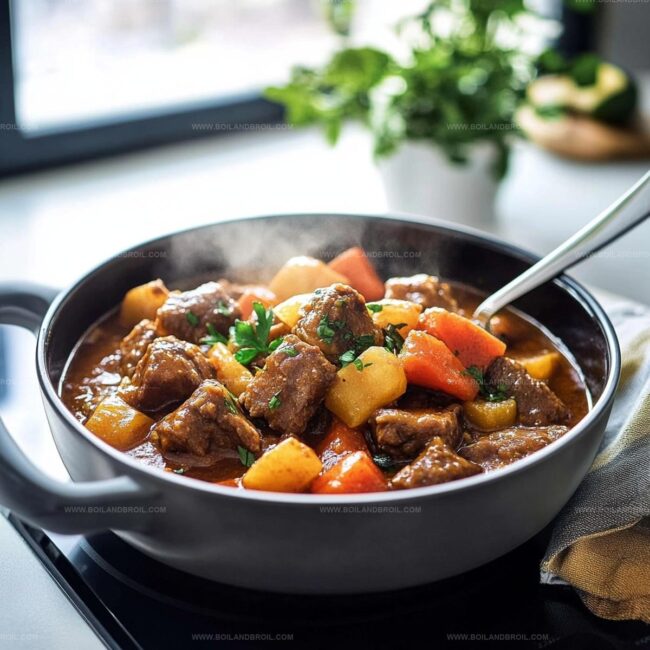
Cover the pot with a tight lid and reduce heat to low.
Let the stew simmer gently for 2.5 to 3 hours without lifting the lid.
This patient cooking method allows the beef to become meltingly tender and flavors to meld perfectly.
Step 5: Final Touch and Serving
Remove bay leaves from the stew.
Taste and season with salt and pepper.
If the sauce seems too thin, sprinkle in a bit of flour and let it simmer for an additional 10-15 minutes to create a rich, velvety consistency.
Serve hot in deep bowls with crusty bread.
Tips for Perfect No-Peek Stew Texture
Store and Reheat No-Peek Beef Stew
What Matches No-Peek Beef Stew Best
New Styles for No-Peek Beef Stew
FAQs
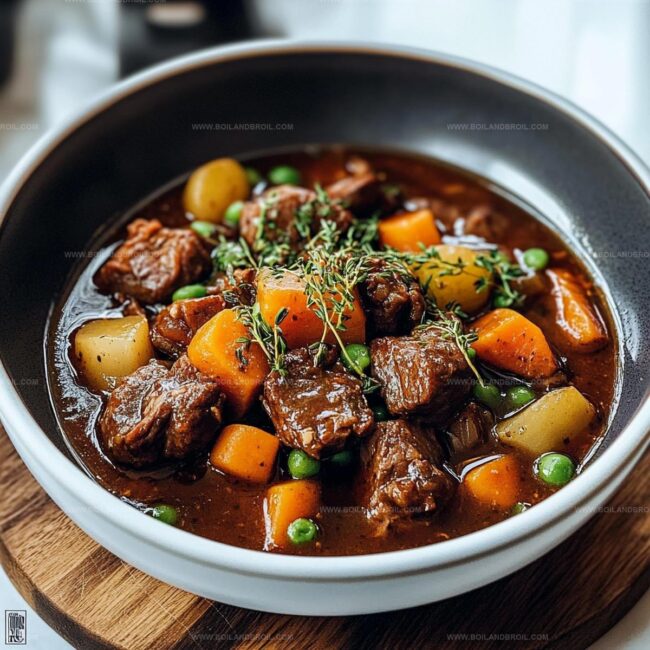
The no-peek method allows the meat to cook slowly and evenly, trapping moisture and steam inside the pot. This technique helps break down tough muscle fibers, resulting in incredibly tender beef that falls apart with a fork.
Chuck roast or beef stew meat work best because they have high collagen content that breaks down during slow cooking, creating rich, tender meat. Avoid lean cuts like sirloin, which can become tough and dry during long cooking times.
Dried herbs are perfectly acceptable and work well in this recipe. Use about 1/3 the amount of dried herbs compared to fresh herbs. If you don’t have both herbs, you can still make the stew with just one or even use dried Italian seasoning as a substitute.
The beef is ready when it easily pulls apart with a fork and can be cut with minimal effort. This typically occurs after 2.5 to 3 hours of slow simmering, which allows the connective tissues to break down completely.
Print
No-Peek Beef Stew Recipe
- Total Time: 3 hours 10 minutes
- Yield: 6 1x
Description
Hearty no-peek beef stew delivers comfort straight from grandma’s kitchen with tender meat melting into rich, savory gravy. Slow-cooked perfection promises warm satisfaction that pulls you close with each deeply flavored spoonful.
Ingredients
Protein:
- 2 pounds (907 grams) beef chuck roast, cut into 1/2 inch cubes
Vegetables:
- 3 medium carrots, peeled and sliced
- 3 medium potatoes, peeled and cubed
- 1 onion, diced
- 3 garlic cloves, minced
Liquids and Seasonings:
- 1 cup beef broth
- 1 can (14.5 ounces / 411 grams) diced tomatoes, undrained
- 2 tablespoons tomato paste
- 2 teaspoons dried thyme
- 1 teaspoon dried rosemary
- 2 bay leaves
- Salt and pepper, to taste
- 1 tablespoon olive oil
- 1 tablespoon flour (optional, for thickening)
Instructions
- Heat olive oil in a Dutch oven over medium-high temperature. Sear beef chunks in batches without overcrowding, developing a rich golden crust for approximately 5 minutes per batch. Transfer browned meat to a separate plate.
- Using the same pot, sauté onions and garlic until aromatic and translucent, approximately 2-3 minutes. Deglaze with a splash of broth, scraping accumulated flavor bits from the pot’s bottom.
- Reintroduce browned beef to the pot. Add carrots, potatoes, diced tomatoes, beef broth, tomato paste, thyme, rosemary, and bay leaves. Thoroughly incorporate all ingredients, ensuring even distribution.
- Elevate to a gentle simmer, then securely cover with a tight-fitting lid. Reduce heat to low, allowing the stew to slow-cook undisturbed for 2.5-3 hours. Resist lifting the lid to maintain moisture and concentrate flavors.
- After cooking, verify beef’s tenderness by testing with a fork. Remove bay leaves and assess seasoning, adjusting with salt and pepper as desired. If the liquid appears thin, whisk in flour and simmer an additional 10-15 minutes to achieve desired consistency.
Notes
- Maximize flavor by thoroughly patting beef dry before browning to ensure a perfect golden-brown crust that seals in rich, deep flavors.
- Select chuck roast or beef stew meat with good marbling for maximum tenderness and melt-in-your-mouth texture during long, slow cooking.
- Control liquid consistency by adding flour gradually or using cornstarch slurry if you prefer a gluten-free thickening method for the stew.
- Elevate dish with optional flavor boosters like a splash of red wine during deglazing or adding smoked paprika for deeper, more complex taste profile.
- Prep Time: 10 minutes
- Cook Time: 3 hours
- Category: Dinner
- Method: Simmering
- Cuisine: American
Nutrition
- Serving Size: 6
- Calories: 370
- Sugar: 4 g
- Sodium: 600 mg
- Fat: 12 g
- Saturated Fat: 4 g
- Unsaturated Fat: 8 g
- Trans Fat: 0 g
- Carbohydrates: 35 g
- Fiber: 5 g
- Protein: 28 g
- Cholesterol: 85 mg
Jack Sullivan
Founder & Culinary Storyteller
Expertise
Single-recipe development with a narrative approach, Culinary storytelling and food history, Seasonal and regional ingredient utilization, Home cooking techniques adapted for modern kitchens
Education
New England Culinary Institute (Montpelier, VT)
Certificate in Culinary Arts
Focused on farm-to-table cooking, sustainable practices, and modern plating techniques.
Asheville-Buncombe Technical Community College
Associate Degree in Culinary Arts
Emphasized Southern Appalachian cuisine and local ingredient sourcing.
Jack grew up surrounded by smoky skillets and handwritten recipes in the mountains of North Carolina. His roots in Appalachian cooking shaped the way he sees food – as something that connects people, tells a story, and holds meaning.
With hands-on training and a background in sustainable, regional cooking, Jack started Boil And Broil to make meaningful meals more accessible. He’s all about one-dish recipes that are simple to follow but rich with flavor and history.